
Jack Whitehall’s dry wit and self-deprecating charm have made him a staple of British comedy. But behind the punchlines lies a sharp observer of human behavior—someone who uses humor not just to entertain, but to expose truths about honesty, work culture, and our shared quirks. One of his most quoted lines—“I’m sure wherever my dad is, he’s looking down on us. He’s not dead, just very far away”—perfectly encapsulates this blend of absurdity and insight.
On the surface, it’s a classic setup: a familiar trope twisted into something fresh. But peel back the layers, and the quote becomes a lens through which we can examine deeper societal patterns—how we communicate, navigate professional environments, and grapple with authenticity in an age of curated personas.
The Genius of Misdirection in Whitehall’s Comedy
Jack Whitehall’s comedy thrives on controlled misdirection. He sets up a moment that feels sentimental or profound—“wherever my dad is, he’s looking down on us”—only to undercut it with a jarring, literal twist: “He’s not dead, just very far away.”
This technique does more than generate laughter. It mirrors how people often mask discomfort with humor. In real life, we use irony to deflect serious conversations—about aging parents, workplace tensions, or emotional vulnerability. Whitehall doesn’t just exploit this tendency; he highlights it.
Real-world example: Imagine a team meeting where a manager says, “We’re all in this together!” with a forced smile, while quietly assigning blame for a missed deadline. The room responds with awkward laughter—much like an audience reacting to Whitehall’s punchline. The humor masks tension, but the underlying issue remains unaddressed.
Whitehall’s quote works because it mimics this dynamic: the setup appeals to emotion, the payoff reveals avoidance. It’s a masterclass in using comedy to reflect the dissonance between how we speak and what we actually mean.
Honesty in the Age of Performance
In a world where personal and professional identities are increasingly performative, Whitehall’s comedy strips away pretense. His quote about his father isn’t just a joke—it’s a commentary on how we perform grief, respect, or familial duty.
Think about how often people say things like: - “I’m fine,” when they’re not. - “That’s a great idea,” in meetings, despite disagreeing. - “We’ll touch base soon,” to end uncomfortable conversations.
These are social scripts. Whitehall exposes them by taking one—“looking down on us”—and literalizing it. The result is absurd, but also revealing.
Workplace application: Honesty in teams doesn’t mean blunt criticism. It means creating space where people can say, “I’m struggling,” without fear of judgment. Just as Whitehall’s humor disarms, leaders can use transparency to build trust. Example: a manager admitting, “I don’t have all the answers, but let’s figure it out,” fosters more collaboration than pretending authority.
The danger? Mistaking sarcasm for honesty. Many professionals hide behind irony—“Oh, I’m just being honest”—while delivering passive-aggressive jabs. True honesty, like Whitehall’s best material, is intentional, not destructive.
Work Culture and the Comedy of Hierarchy
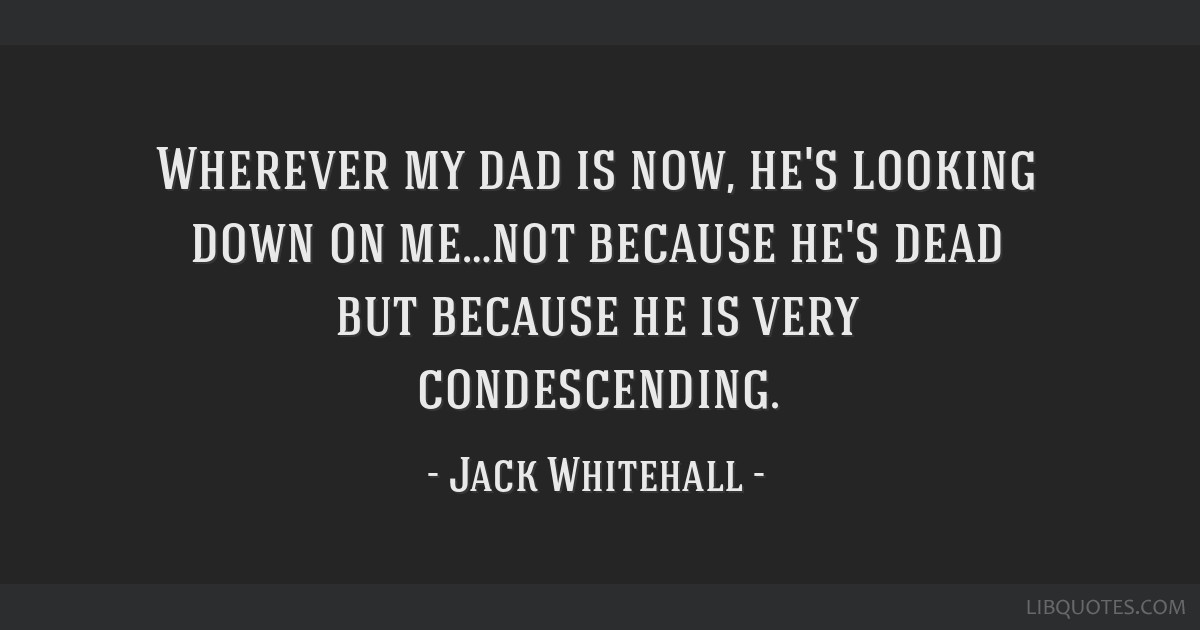
Whitehall’s relationship with his father—often a centerpiece of his stand-up and Netflix travel series Jack Whitehall: Travels with My Father—is a running sketch about generational disconnect, emotional restraint, and class. His father, Michael Whitehall, embodies a certain British archetype: stiff-upper-lip, emotionally reserved, career-driven.
This dynamic mirrors traditional workplace cultures—especially in corporate or hierarchical environments—where authority figures maintain distance, communication is indirect, and emotional expression is minimized.
Case study: A junior employee notices a flaw in a senior leader’s strategy. Instead of speaking up, they stay silent, fearing repercussions. Later, the project fails. Sound familiar? It’s the workplace version of Whitehall’s father ignoring his son’s travel mishaps with a raised eyebrow and a dry remark.
What can teams learn? - Emotional distance doesn’t equal professionalism. - Silence isn’t respect—it’s often fear. - Humor, when used well, can bridge gaps in hierarchy.
Whitehall’s comedy demonstrates how humor can humanize authority figures. When he pokes fun at his father’s aloofness, it doesn’t diminish him—it makes him more relatable. Leaders who can laugh at themselves—or allow others to do so in good spirit—create psychologically safer environments.
Human Nature and the Need for Connection
At its core, Whitehall’s quote isn’t really about his dad. It’s about the universal human need to feel seen, connected, and understood—even when we’re miles apart, emotionally or physically.
The phrase “looking down on us” carries spiritual and emotional weight. It implies care, oversight, presence. By twisting it into a joke about physical distance, Whitehall underlines how awkward we are about expressing those feelings directly.
Behavioral insight: People often use humor to broach sensitive topics. A son might say, “Dad’s probably watching this disaster from his golf course,” instead of “I miss you” or “I wish you were here.” The joke becomes a proxy for connection.
This pattern shows up in workplaces too: - “Our CEO ‘cares’ about work-life balance—he just hasn’t met us yet.” - “Another all-hands meeting? Must be nice to feel heard.”
These aren’t just complaints. They’re coded signals of disconnection.
Organizations that foster genuine connection—through open dialogue, recognition, and empathy—don’t eliminate humor. They elevate it. The best office cultures are those where people can joke with each other, not at each other’s expense.
The Role of Irony in Modern Communication
Irony is the default dialect of modern communication—especially among younger professionals. Sarcasm, deadpan delivery, and self-aware detachment dominate digital interactions. Whitehall didn’t invent this tone, but he’s one of its most polished practitioners.
But irony has limits.
Common mistake: Teams that rely too heavily on sarcasm often struggle with clarity. A team member says, “Sure, let’s do it the wrong way again,” during a planning session. Is it a joke? A critique? Passive resistance? Without clear emotional cues, intent gets lost.
Whitehall’s success lies in his timing and control. He knows when to land the punchline because he’s established context. In real-world communication, that context must be built deliberately.
Workflow tip: In remote or hybrid teams, default to over-clarifying tone. Use video calls to capture facial expressions. Add emojis sparingly to signal intent in messages. And when joking about serious topics—like workload, leadership, or performance—check in: “Was that comment helpful, or just deflective?”
Like Whitehall’s comedy, effective communication balances wit with purpose.
Why This Quote Resonates Beyond the Laugh
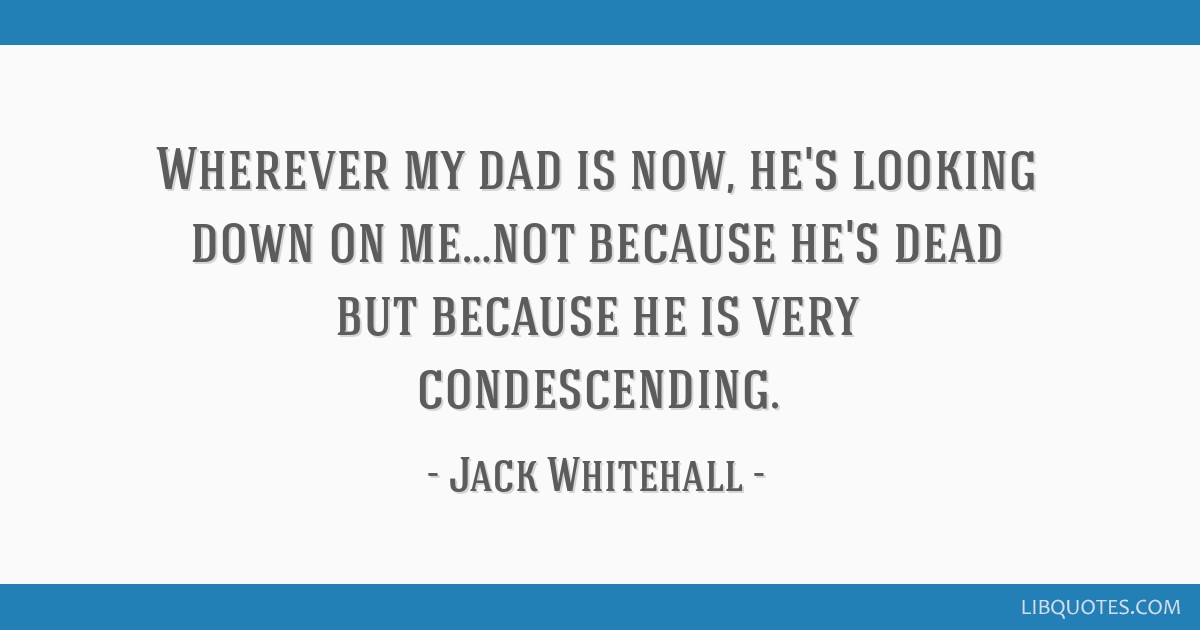
“I’m sure wherever my dad is, he’s looking down on us. He’s not dead, just very far away” isn’t just a one-liner. It’s a cultural artifact—a distillation of how modern audiences process emotion, authority, and truth.
It resonates because: - It subverts expectation. - It uses familiarity to expose awkward truths. - It turns emotional distance into something laughable—and therefore, discussable.
In personal relationships, in leadership, in team dynamics—this quote captures the gap between how we act and how we feel. And by making that gap funny, Whitehall gives us permission to talk about it.
Applying Whitehall’s Lessons Beyond the Stage
You don’t need to be a comedian to use these insights. But you do need to be observant.
Actionable takeaways: - Embrace misdirection to soften difficult messages. Instead of blunt feedback, try, “I love how confidently you presented—imagine how strong it would be with a little more data.” It’s Whitehall-esque: starts warm, lands constructive. - Use humor to humanize hierarchy. Leaders who share a self-deprecating story (“I once sent an email to the entire company addressing the client as ‘Dear Dumbass’”) build rapport. - Don’t confuse irony with insight. Just because something sounds clever doesn’t mean it moves the conversation forward. - Create space for literal talk. After the jokes, ask: “What are we really saying here?”
Comedy works because it tells the truth in disguise. Whitehall’s quote of the day isn’t just entertainment—it’s a mirror.
Final Thought
Jack Whitehall’s humor isn’t about punchlines. It’s about precision. He takes a common phrase, twists it, and in doing so, reveals how we avoid honesty, navigate emotional distance, and perform roles in work and family life. The next time you hear someone say, “They’re probably looking down on us,” ask yourself: what aren’t they saying directly? And how can you create space for the real conversation?
That’s the real life lesson—not just in comedy, but in leadership, relationships, and self-awareness.
FAQ
What is Jack Whitehall’s most famous quote? While he has many memorable lines, “I’m sure wherever my dad is, he’s looking down on us. He’s not dead, just very far away” is one of his most widely shared, especially in discussions about family, humor, and honesty.
How does Jack Whitehall use humor to discuss family relationships? He highlights generational and emotional gaps—especially with his father—through irony and exaggeration, making deeply personal dynamics relatable and funny.
What can leaders learn from Jack Whitehall’s comedy? Leaders can learn to use humor to break down hierarchy, admit imperfection, and encourage openness—without undermining authority.
Is Jack Whitehall’s humor appropriate for workplace settings? Much of his material is observational and situational, making it suitable for professional contexts when used thoughtfully—especially to illustrate communication styles or cultural dynamics.
How does sarcasm affect workplace communication? When uncontrolled, sarcasm creates confusion and erodes trust. But when used with clarity and intent, it can highlight issues in a non-confrontational way.
Why do people quote Jack Whitehall’s “looking down on us” line? It’s relatable, cleverly subverts a common phrase, and captures the awkwardness many feel when discussing family, presence, or emotional distance.
Can comedy improve team culture? Yes—when used to build connection, not deflect. Teams that laugh together (and at themselves) often communicate more openly and handle stress better.
FAQ
What should you look for in Jack Whitehall’s Quote of the Day: Humor, Honesty, and Human Truths? Focus on relevance, practical value, and how well the solution matches real user intent.
Is Jack Whitehall’s Quote of the Day: Humor, Honesty, and Human Truths suitable for beginners? That depends on the workflow, but a clear step-by-step approach usually makes it easier to start.
How do you compare options around Jack Whitehall’s Quote of the Day: Humor, Honesty, and Human Truths? Compare features, trust signals, limitations, pricing, and ease of implementation.
What mistakes should you avoid? Avoid generic choices, weak validation, and decisions based only on marketing claims.
What is the next best step? Shortlist the most relevant options, validate them quickly, and refine from real-world results.