When a voice actor known for their role in My Hero Academia—also active as a popular streamer—publicly apologized for cheating on their girlfriend, the reaction was swift, unforgiving, and revealing. The apology didn’t just fail to quell outrage; it amplified it. What should have been a moment of accountability became a case study in how not to handle personal scandal in the public eye.
This isn’t just about infidelity. It’s about performance—on mic, on screen, and now, in damage control.
The Fallout Begins: When a Voice Actor’s Private Life Goes Public
The voice actor, whose identity circulated rapidly across Reddit, X (formerly Twitter), and anime Discord servers, plays a supporting but recognizable role in the English dub of My Hero Academia. While not one of the lead voices, their work has been part of the franchise for multiple seasons, giving them moderate fame within the anime community. Off-screen, they’ve built a secondary following through live streaming—mainly gaming and behind-the-scenes voice work commentary.
The scandal erupted when the actor’s partner shared screenshots of intimate messages, indicating emotional and physical betrayal over several months. The timing was critical: it coincided with a major My Hero Academia event, drawing even more attention. Fans tuning in for lore discussions and character breakdowns were instead confronted with real-life drama involving someone who gives voice to one of their favorite heroes.
What followed was a now-deleted video apology uploaded to YouTube, lasting just over nine minutes—long enough to make mistakes, too short to offer real depth.
The Apology That Made Things Worse
At first glance, the apology followed a standard template: “I’m sorry,” “I made a mistake,” “I’ve let people down.” But the delivery was where it unraveled.
- Overuse of passive voice: “Mistakes were made” instead of “I cheated.” This subtle evasion stripped the statement of accountability.
- Focus on career impact: The actor spent nearly three minutes discussing how this affected their work, reputation, and future in the industry—far longer than the time devoted to their partner’s pain.
- Emotional manipulation: Pauses for breath, shaky voice, and visible tears read to many as performative, especially given their professional experience in vocal expression.
- Lack of specifics: No admission of how or when the cheating occurred, nor any effort to explain why it happened.
One fan on X wrote: “He sounds like he’s reading off a script between takes. I’ve heard him cry on mic playing tragic anime scenes—this feels just as rehearsed.”
The backlash wasn’t just from anonymous users. Several fellow voice actors and industry-adjacent streamers commented on the mishandling, emphasizing that sincerity matters more than production value when addressing personal failures.
Why Fans Reacted So Strongly

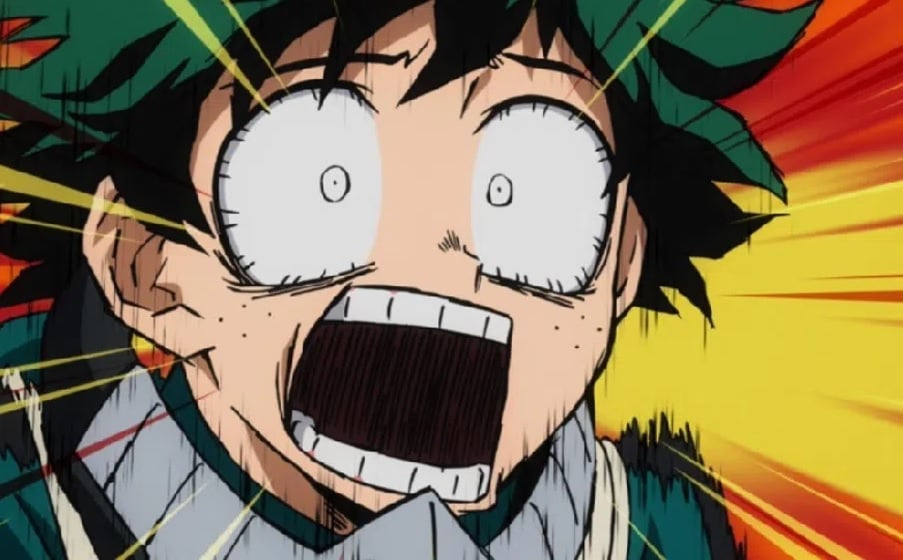
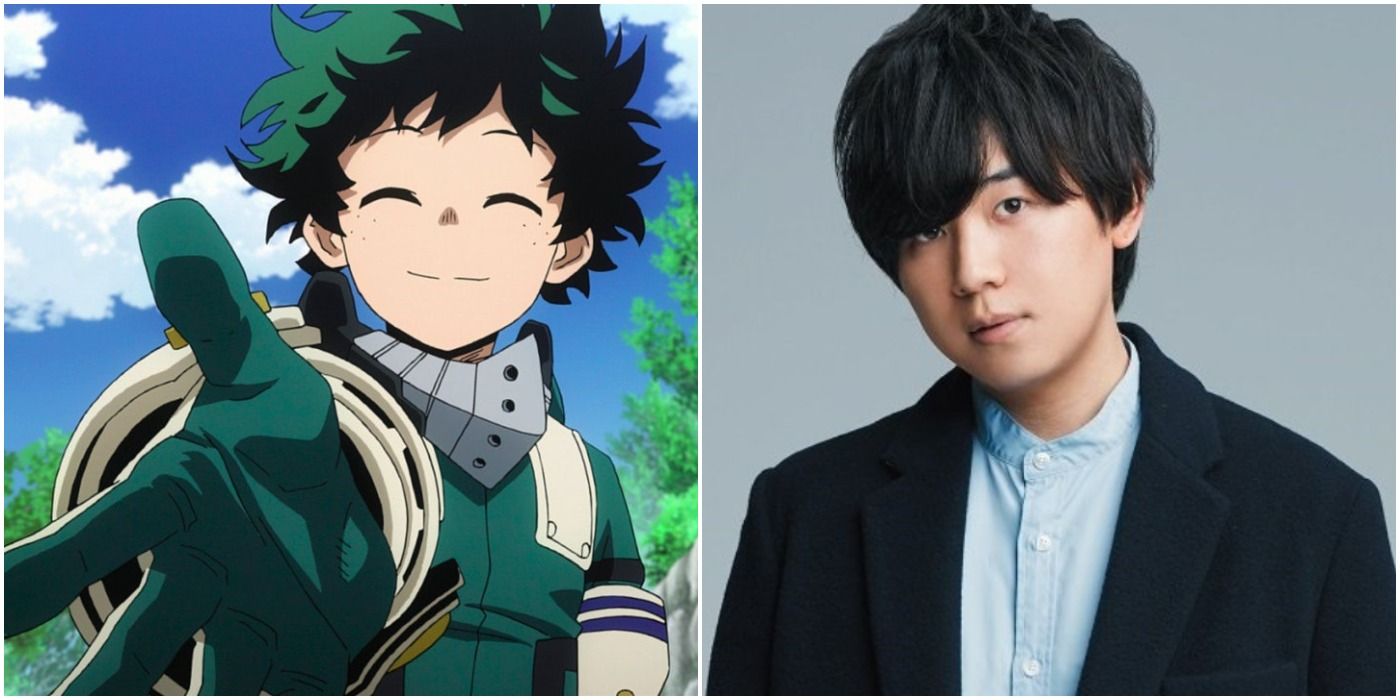
In the anime community, especially around My Hero Academia, there’s a strong emotional investment in ideals like integrity, redemption, and doing the right thing—even when it hurts. Characters like Izuku Midoriya are built on principles of honesty and self-improvement. When someone who voices a character in that world breaks trust in real life, the dissonance is jarring.
But it goes deeper than hypocrisy.
The streaming side of this story intensified the reaction. Viewers don’t just consume these creators’ professional work—they feel connected through live chats, Patreon interactions, and personal storytelling during streams. When a streamer shares their relationship struggles on air (as this actor had done before), then later cheats, it feels like a betrayal of that parasocial trust.
One Reddit thread summed it up: > “He cried on stream last year about how hard long-distance was with his GF. Now we find out he was flirting with fans in DMs at the same time? That’s not just cheating—it’s manipulation.”
This sense of duplicity fueled the fire. Fans weren’t just upset about the affair—they were angry about the narrative they’d been sold.
The Pattern: When Apologies Backfire in the Digital Age
This isn’t the first time a public figure’s apology has gone sideways—and it won’t be the last. But in the world of voice actors and streamers, where authenticity is currency, missteps like this carry extra weight.
Common failure points in failed public apologies include:
| Mistake | Why It Fails |
|---|---|
| Vagueness | Leaves room for suspicion; fans want facts, not platitudes |
| Over-focus on self | “I’m suffering” shifts focus from the victim to the offender |
| Lack of actionable change | No plan for repair = no real remorse |
| Delayed response | Waiting too long implies calculation, not contrition |
| Poor medium choice | A high-production video feels insincere for personal betrayal |
In this case, all five were present.
Worse, the actor attempted to post follow-up comments on social media defending their right to privacy—after choosing to address the issue publicly with a detailed video. That contradiction deepened the perception of inconsistency.
Community Response: From Disappointment to Organized Action
Within 48 hours, hashtags like #DropHimFromMHA and #AccountabilityNotApology trended among anime fans. While no official casting change has been announced, fans began editing the actor’s lines out of fan-made content, and some petitioned streaming platforms to add disclaimers to their past performances.
More troubling was the surge in harassment directed at the actor’s ex-partner, who quickly deactivated their social media. This underscores a dangerous side effect of online outrage: while public figures are fair game for critique, private individuals involved often bear unintended consequences.
Still, the anime community isn’t monolithic. Some defended the actor’s right to make mistakes, arguing that redemption should be possible. “Nobody’s perfect,” one commenter noted. “He said he’s getting therapy. Shouldn’t we allow growth?”
But the counterpoint remains strong: personal growth doesn’t require a public platform. Accountability does.
Lessons for Creators: How to Handle Scandal Without Losing Trust For influencers, streamers, and performers—especially those in voice acting where vocal authenticity mirrors personal authenticity—navigating scandal requires care.
Do: - Speak directly and without script if possible - Acknowledge the specific harm caused - Center the affected person, not your pain - Avoid platforms that amplify performance (e.g., glossy YouTube videos) - Commit to tangible change (counseling, stepping back from content, etc.)
Don’t: - Use emotional delivery as a proxy for sincerity - Blame stress, fame, or distance as excuses - Post apologies only after being exposed - Engage in social media debates after apologizing
One industry coach who works with voice actors put it bluntly: “If you sound like you’re voicing a remorseful anime character, you’ve already lost the room.”
Authenticity can’t be faked—especially not by someone trained to fake emotion for a living.
The Bigger Picture: Fame, Intimacy, and the Cost of Performance
This scandal exposes a growing tension in digital celebrity: the line between performance and reality is thinner than ever. Voice actors bring fictional heroes to life, often embodying virtues they may not live by. Streamers share their bedrooms, routines, and relationships—inviting fans into a curated version of intimacy.
When that intimacy is violated—through betrayal, deception, or a hollow apology—the illusion collapses.
And in communities like My Hero Academia’s, where “what kind of hero are you?” is a central theme, the question becomes personal: Can someone who fails ethically still represent heroism?
There’s no easy answer. But one thing is clear—the audience now expects more than talent. They expect character.
What Comes Next?
No official statement has come from the My Hero Academia dub production team. As of now, the actor remains credited in upcoming episodes. But fan sentiment is shifting. Merch featuring the character has seen reduced engagement, and clips of the actor’s past streams have been annotated with disclaimers.
The apology didn’t heal. It highlighted.
For creators in similar positions, this should serve as a warning: your voice may bring heroes to life, but your actions define your real character. And in the court of public opinion, tone matters as much as truth.
If you’re going to apologize, mean it—not perform it.
FAQ
Who is the My Hero Academia voice actor involved in the cheating scandal? The actor has not been officially confirmed by production studios, but online discussions point to a supporting cast member in the English dub who also streams regularly.
Did the voice actor lose their role because of the scandal? As of now, there’s no confirmation of a casting change. The actor remains listed in upcoming episodes.
Why did the apology go so badly? Fans criticized it for being emotionally manipulative, vague, and overly focused on the actor’s career rather than their partner’s pain.
Was the cheating confirmed? Yes—screenshots of messages were shared by the actor’s ex-partner before their accounts were deactivated.
How are fans reacting within the anime community? Strongly divided. Some demand accountability and removal from the show; others advocate for forgiveness and personal growth.
Can a public apology ever work after cheating? Yes, but only if it’s specific, humble, and centers the harmed party—not the offender’s image.
What should the voice actor have done differently? Issued a concise, private acknowledgment first, followed by tangible actions (therapy, stepping back from streaming) rather than a dramatic public video.
FAQ
What should you look for in My Hero Academia Voice Actor’s Apology After Cheating Scandal? Focus on relevance, practical value, and how well the solution matches real user intent.
Is My Hero Academia Voice Actor’s Apology
After Cheating Scandal suitable for beginners? That depends on the workflow, but a clear step-by-step approach usually makes it easier to start.
How do you compare options around My Hero Academia Voice Actor’s Apology After Cheating Scandal? Compare features, trust signals, limitations, pricing, and ease of implementation.
What mistakes should you avoid? Avoid generic choices, weak validation, and decisions based only on marketing claims.
What is the next best step? Shortlist the most relevant options, validate them quickly, and refine from real-world results.