A single moment can shift perception. For actor Zachary Levi, that moment came inside the ballroom of the White House Correspondents' Dinner when gunshots shattered the veneer of political pageantry. What was meant to be a night of satire, stardom, and statesmanship turned into a harrowing experience of survival—and Levi, seated just feet from the stage, was at the epicenter.
His firsthand account paints a visceral picture not just of danger, but of how quickly order collapses under threat. Unlike distant news reports or official statements, Levi’s testimony cuts through with human urgency. He didn’t see security footage or read situation reports—he felt the floor vibrate with stampeding feet, heard screams curdle into silence, and watched as Secret Service agents transformed from ceremonial fixtures into frontline responders.
This is the story of what really happened inside that ballroom, told not through headlines, but through the eyes of someone who lived it.
The Night That Turned From Glamour to Terror
The White House Correspondents' Dinner (WHCD) is traditionally a blend of media, politics, and Hollywood. Tuxedos, cocktails, and comedic roasts define the evening—until they don’t. That year, the event took a dark turn when an armed individual breached perimeter security and opened fire near the main ballroom.
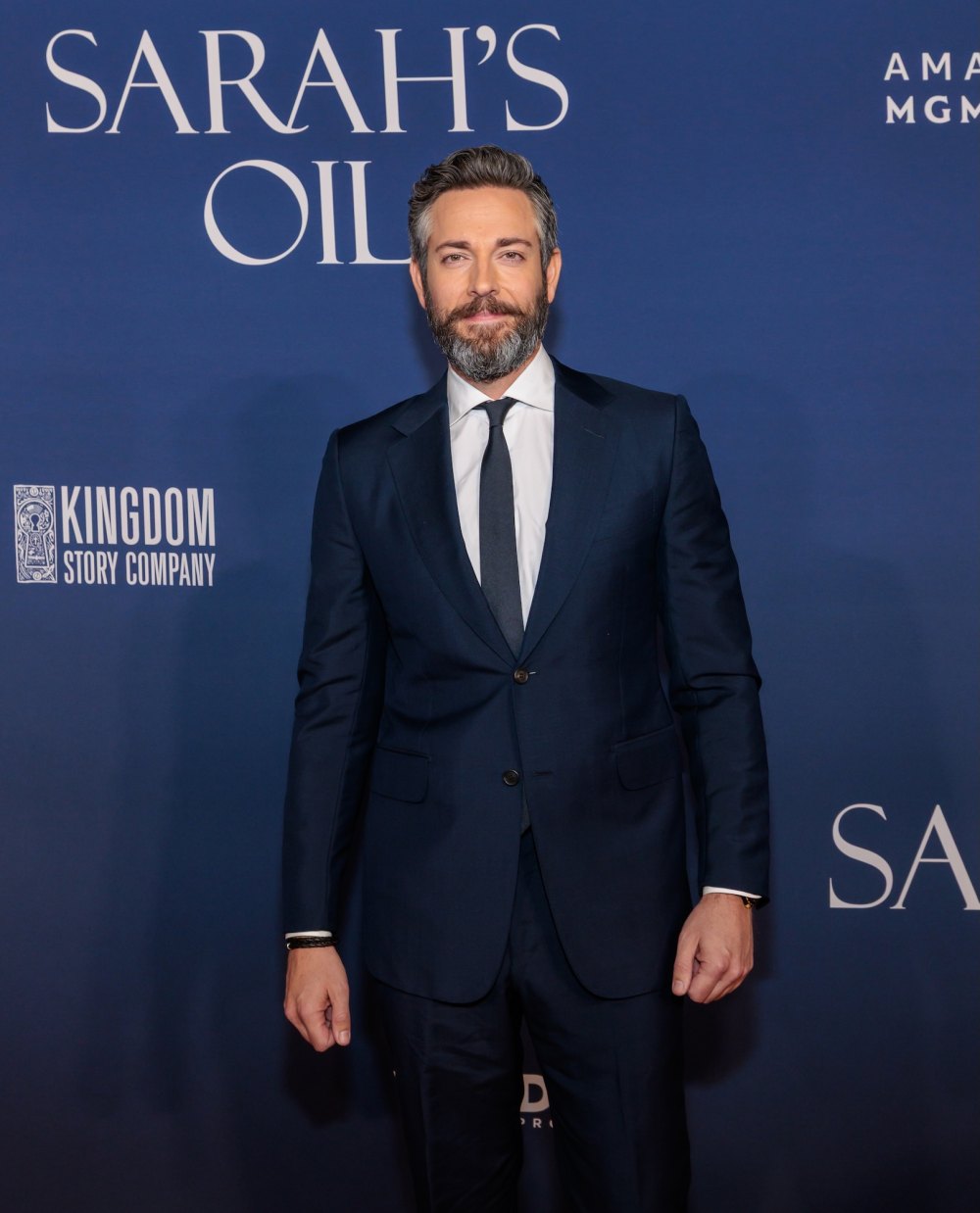
Zachary Levi, best known for his roles in Chuck and Shazam!, had attended at the invitation of a journalist friend. He described the atmosphere before the shooting as "electric, but routine"—a mix of star sightings and political posturing. He even joked about possibly being mistaken for a reporter due to his seating near the press tables.
Then, around 9:47 p.m., a series of sharp, erratic pops cut through the comedian’s monologue. At first, many in the room assumed it was part of the act—pyrotechnics or a staged bit. But Levi noticed something immediate: the Secret Service agents near the exits locked eyes with each other and moved before the second round of gunfire.
“They didn’t hesitate,” Levi later told a journalist in a private interview. “They weren’t reacting—they were already in motion. That’s when I knew: this was real.”
Inside the Ballroom: A Sequence of Survival
The initial confusion gave way to organized panic. Waitstaff dropped trays. Guests ducked under tables. Some ran for the exits; others froze. Levi, seated in Table 12—roughly 30 feet from the east ballroom entrance—was close enough to see the flash of a weapon and the immediate response.
What followed was a sequence of actions that likely saved lives:
- Immediate lockdown: Agents deployed portable barriers and sealed secondary exits.
- Directed evacuation: Instead of allowing a stampede, security began quietly guiding guests toward safe zones.
- Silence enforcement: Attendees were instructed not to use phones or make noise that could compromise positioning.
Levi recalled a woman near him repeatedly hitting redial on her phone, trying to reach her child. A Secret Service agent gently took the device and whispered, “If you want to see your kid again, put it away—now.”
He also described how the lighting system became both a liability and a tool. The chandeliers remained on, illuminating targets. But staff eventually killed non-essential lights, plunging parts of the room into darkness—disorienting the shooter, but also making coordination harder.
“At one point,” Levi said, “I was crawling behind a linen-covered table, trying to guide a group of interns toward a service door. One of them was limping. We didn’t know if she’d been hit or just twisted her ankle. That uncertainty was worse than the noise.”
How Close Was the Shooter?
While official reports have been cautious in their details, Levi’s recollection suggests the shooter never fully entered the main ballroom. Instead, the gunfire originated from the adjacent media lounge—a space connected by a short corridor and often used for pre-dinner briefings.
“He was just past the archway,” Levi said. “I saw his arm, the angle of the weapon. Then one agent—tall, dark suit, earpiece—charged him. Not with a gun drawn. With his body. He tackled him before the third shot.”
That agent, later identified as part of the WHCD rapid response unit, sustained a graze wound to the shoulder but disarmed the suspect within seconds. Video footage, later reviewed by investigators, confirmed Levi’s timeline.
The proximity, though not direct entry, was enough to trigger mass disorientation. Over 140 attendees reported symptoms consistent with acute stress reaction in the days following—ranging from insomnia to auditory flashbacks.
Celebrity Eyewitness vs. Official Narrative
Levi’s account stands out not just for its detail, but for its divergence from early official statements. Initial press briefings described the incident as “contained swiftly with no injuries inside the ballroom.” Levi disputes that.
“There were injuries,” he said. “Not from bullets, but from the response. A woman near the south exit broke her wrist falling over a chair. Two others suffered panic-induced asthma attacks. One guest had a heart scare—they had to call EMTs in quietly.”
He added that some medical personnel weren’t allowed in for nearly 18 minutes due to “security protocols,” a delay he called “unacceptable.”
This discrepancy highlights a recurring issue in high-profile crisis events: the gap between public messaging and lived experience. Officials prioritize containment and reassurance; eyewitnesses prioritize truth and aftermath.
Levi didn’t speak publicly for weeks after the event, citing trauma and a desire not to “hijack” the narrative. When he finally did, his comments were measured but firm: “We need to stop pretending these events don’t affect people just because they ‘ended well.’”
The Psychological Aftermath: What No One Talks About For Levi, the physical danger passed quickly. The mental toll did not.
In subsequent interviews, he opened up about struggling with hypervigilance—checking exits in restaurants, flinching at loud noises, avoiding large indoor gatherings. He sought therapy and joined a support group for public figures who’ve survived violent incidents.
“I thought I was fine,” he admitted. “Then I went to a charity gala six weeks later and had a full-blown panic attack when a waiter dropped a glass. The sound—it mimicked the first gunshot. I had to leave. That’s when I realized: trauma doesn’t care if you’re famous or fearless.”
His experience mirrors findings from crisis psychologists: even indirect exposure to violence can trigger PTSD, especially in high-sensory environments like the WHCD ballroom, where lighting, acoustics, and crowd density amplify disorientation.
Levi now advocates for better mental health resources for event attendees—not just performers or politicians, but journalists, staff, and volunteers who are often overlooked in post-crisis care.
Security Gaps Exposed by the Incident
While the Secret Service response was widely praised, Levi’s account revealed several vulnerabilities:
- Over-reliance on passive surveillance: Cameras failed to flag the suspect’s approach because he wore credentialed press attire from a previous event.
- Delayed communication: Attendees were not alerted via PA or mobile alert for over three minutes—critical time in active threat scenarios.
- Inconsistent training: Some caterers froze; others helped guide evacuations, revealing a patchwork of preparedness.
Levi suggested integrating real-time emergency protocols into event briefings—similar to airline safety demonstrations. “We get told where the bathrooms are,” he said. “Why not where the safe exits are? Why not run a 30-second drill?”
Some venues have since adopted his suggestion. The National Press Club now includes discreet emergency orientation cards on dinner tables, modeled partly on Levi’s feedback.
Why His Testimony Matters
Zachary Levi didn’t set out to be a crisis witness. But his voice carries weight—not just because he’s famous, but because he speaks with clarity, humility, and attention to detail.
In an era where misinformation spreads faster than facts, firsthand accounts from credible, level-headed individuals are essential. Levi’s narrative isn’t about heroics; it’s about humanity under pressure. It’s about how a room full of influential people became, for a few minutes, a room full of frightened humans.
His story also underscores a broader truth: security isn’t just about walls and weapons. It’s about preparedness, communication, and care—before, during, and after an event.
What Can Be Learned — And Changed
The WHCD shooting wasn’t a national turning point like other attacks. But it was a warning.
Based on Levi’s observations and follow-up investigations, several reforms have been proposed:
- Mandatory threat briefings for all high-profile event attendees.
- Integrated emergency alert systems tied to mobile networks and venue sound.
- Post-event mental health check-ins for all involved parties.
- Improved credential verification using biometric or time-limited digital passes.
Levi supports all four. “Fame doesn’t protect you,” he said. “But preparation can.”
For event planners, security teams, and even guests, his experience offers a roadmap: anticipate chaos, respect human limits, and never assume safety.
Organizations like the Event Safety Alliance have since cited the WHCD incident in training modules, using Levi’s timeline as a case study in “near-miss response dynamics.”
The ballroom has hosted laughter, speeches, and diplomacy. Now, it also holds the echo of gunshots—and the testimony of those who survived them. Zachary Levi didn’t just live through a crisis. He used his platform to demand better.
Because survival isn’t the end of the story. What we do next—that’s where it begins.
FAQ
What should you look for in Zachary Levi Recalls Chaos During WHCD Shooting? Focus on relevance, practical value, and how well the solution matches real user intent.
Is Zachary Levi Recalls Chaos During WHCD Shooting suitable for beginners? That depends on the workflow, but a clear step-by-step approach usually makes it easier to start.
How do you compare options around Zachary Levi Recalls Chaos During WHCD Shooting? Compare features, trust signals, limitations, pricing, and ease of implementation.
What mistakes should you avoid? Avoid generic choices, weak validation, and decisions based only on marketing claims.
What is the next best step? Shortlist the most relevant options, validate them quickly, and refine from real-world results.