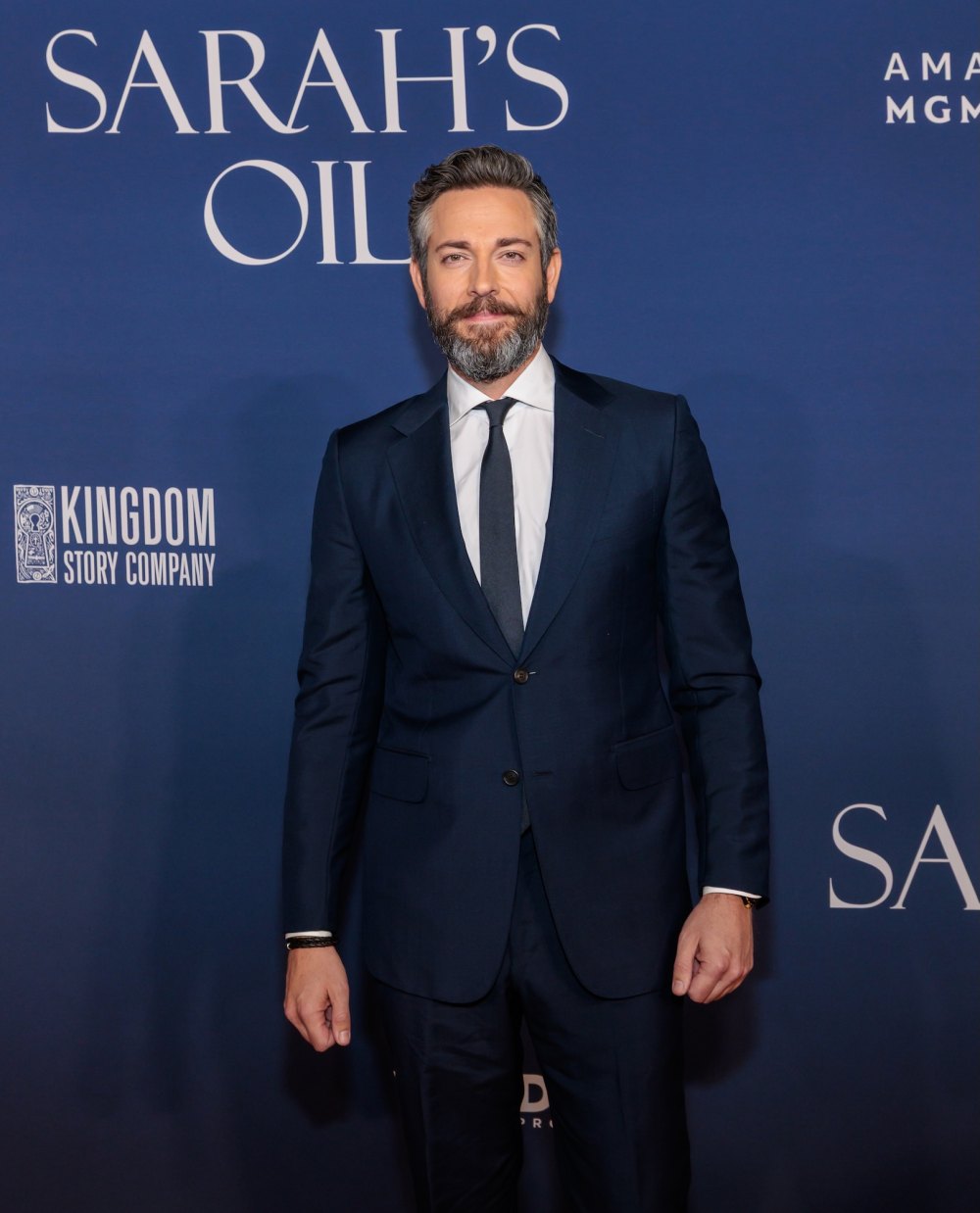
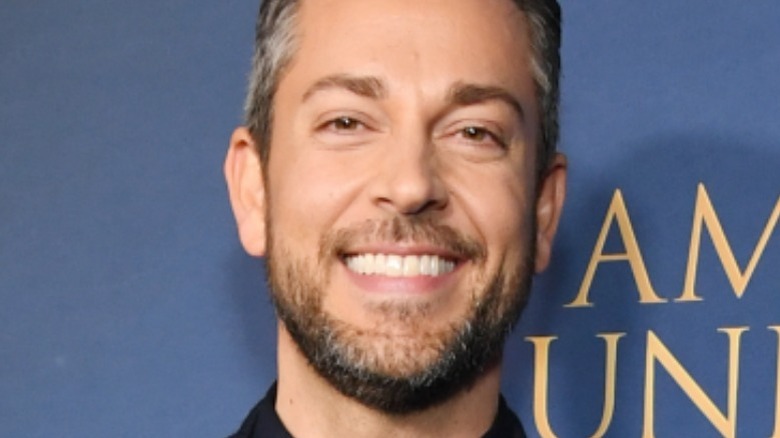
The polished glamour of the White House Correspondents’ Dinner dissolved into panic when gunfire erupted at the Washington Hilton. Among the attendees was actor Zachary Levi, known for his roles in Chuck and Shazam!, who provided one of the most vivid firsthand accounts of the commotion that unfolded inside the ballroom.
Levi didn’t take the stage to deliver jokes or acceptance speeches—he became an unwilling witness to a moment of real terror, shattering the usual veneer of red carpets and celebrity banter.
His description of the scene offers more than dramatic retelling. It’s a raw glimpse into how quickly public events can turn dangerous—and how individuals, even those accustomed to scripted action, react when chaos is no longer fictional.
Immediate Confusion: “We Thought It Was Part of the Show” When the initial loud noises echoed through the ballroom, many guests, including Levi, assumed it was pyrotechnics or a comedic bit.
“There was a sharp sound—like a balloon popping, but louder,” Levi later told a news outlet in an off-camera interview. “People laughed at first. Then it happened again. And again. That’s when you could feel the energy shift.”
The Washington Hilton ballroom, packed with journalists, politicians, and celebrities, wasn’t designed for emergency evacuations in real time. Narrow aisles, dimmed lighting, and scattered tables created obstacles as confusion spread.
Levi described people ducking under tables, others frozen in place, while some began recording on their phones—documenting instead of reacting.
“It was surreal,” he said. “One second, you’re eating dessert and joking with the person next to you. The next, you’re on the floor, trying to make sense of metallic sounds and shouting. Your brain doesn’t want to accept it’s real.”
Levi’s Actions: From Shock to Response
Unlike many attendees, Levi didn’t remain passive for long. Drawing from experience filming high-intensity action sequences—where quick movement and situational awareness are drilled into actors—he began assessing exits and urging those around him to stay low.
“I wasn’t thinking like a hero. I was just thinking, What would we do on set if this were a scene?” Levi admitted. “But this wasn’t a scene. And no stunt coordinator was going to call ‘cut.’”
He guided a small group, including a visibly shaken journalist and a cameraperson, toward a side catering entrance. The door was partially blocked by equipment, but with effort, they cleared it and reached a service corridor.
His calm under pressure stood in stark contrast to the rising chaos. While some guests shouted or sobbed, Levi focused on movement, whispering instructions: “Stay together. Don’t look back. Move fast but don’t run.”
It wasn't bravery born of training—it was instinct layered with awareness, shaped by years of simulating danger.
Witnessing the Aftermath
Once in the corridor, Levi and the group encountered hotel staff and security personnel rushing in the opposite direction. One staffer, a server, had blood on his apron. Levi asked if he was injured. The man shook his head and said, “Not mine. From the ballroom.”
That brief exchange deepened the reality of the moment.
Later, while waiting for clearance from law enforcement, Levi saw first responders carrying out stretchers. He didn’t see any faces, but the sight of a single abandoned shoe near the ballroom’s main entrance stayed with him.
“I kept thinking about whose it was,” he said. “Was it someone who tripped trying to get out? Did they make it? You don’t get answers in moments like that. Just images.”
How the Incident Disrupted the Night
The White House Correspondents’ Dinner is traditionally a night of satire, diplomacy, and optics. Comedians roast the president. Networks broadcast soundbites. Social media erupts with memes.
This year, the broadcast was cut short.
Footage from inside shows the screen fading to black mid-speech. Outside the Hilton, reporters scrambled for information. The usual post-event parties were canceled. The hashtag #WHCD trended—not for jokes, but for shock and concern.
Levi, who was seated at a table near the press risers, said the shift from levity to fear happened in under 90 seconds.
“The comedian was just hitting his stride,” he recalled. “There was laughter. Then, maybe five minutes later, silence. Not even whispers. Just silence and the sound of doors slamming shut.”
Security Failures Exposed
While official investigations continue, eyewitness accounts like Levi’s highlight critical vulnerabilities in event security.
- No visible metal detectors at guest entry points
- Minimal bag checks for VIP attendees
- No audible emergency announcement system activated
- Delayed lockdown procedures
Levi questioned why staff didn’t initiate an evacuation sooner. “If someone had said, ‘This is not a drill. Leave now,’ things might’ve been different,” he said. “Instead, we were left guessing until it was too late.”
His observation aligns with growing criticism from security experts who argue that high-profile events often prioritize access and exclusivity over safety.
“Celebrity events treat security like an afterthought,” said a former Secret Service agent who requested anonymity. “They want the red carpet, not the metal detectors. But when something happens, the cost is paid in panic—or worse.”
The Psychological Toll on Attendees
In the days following the incident, Levi spoke about the lingering effects—sleeplessness, hypervigilance in crowds, and a new sensitivity to loud sounds.
“I was at a concert last week,” he said. “Someone popped a firecracker near the stage. I dropped to the ground before I even realized what I was doing.”
He’s not alone. Mental health professionals report a surge in calls from WHCD attendees experiencing symptoms of acute stress. Some are considering therapy; others have canceled future public appearances.
Levi emphasized the importance of psychological support for event staff and guests alike. “We focus on physical safety,” he said. “But no one talks about what happens after. The mind doesn’t just reset.”
Why Levi’s Account Matters
In an age where information spreads faster than facts, firsthand testimony from a credible, recognizable figure carries weight.
Levi’s narrative didn’t come through a press release or a viral clip. It emerged in measured interviews, social media reflections, and conversations with journalists he trusts. There was no exaggeration, no performative trauma—just a straightforward recounting of what he saw and felt.
That authenticity has made his account one of the most cited in media coverage.
Moreover, Levi’s background in action entertainment gives his observations added depth. He understands staging, sound effects, and crowd dynamics—making his distinction between “real” and “staged” violence more credible.
When he says, “That wasn’t part of the show,” people listen.
Moving Forward: Event Safety in the Spotlight
The WHCD shooting has reignited debate over how public figures and institutions handle security at high-visibility events.
Levi has since called for standardized safety briefings at major galas—similar to airline safety demonstrations. “One minute,” he said. “Just walk us through where the exits are. Tell us what to do if something goes wrong. It’s not exciting. But it could save lives.”
Some event planners are responding. The Associated Press recently announced enhanced screening for its upcoming awards dinner. Other organizations are consulting crisis management teams to develop real-time response protocols.
But change remains inconsistent. Many still view security measures as “bad for the vibe.”
Levi disagrees. “The vibe,” he said, “is people walking out alive.”
Final Thoughts: A Night That Changed
Many
Zachary Levi didn’t expect to become a voice of clarity in a national moment of confusion. But by speaking with candor and restraint, he’s helped the public understand what it truly felt like inside the ballroom when the shooting began.
His account is not just about fear—it’s about awareness, response, and the responsibility that comes with visibility.
For event organizers, his experience is a case study in preparedness. For the public, it’s a reminder that danger doesn’t discriminate between celebrities and civilians. And for those who attended that night, Levi’s words offer something rare in the aftermath of trauma: validation.
As the investigations continue and reforms are debated, one thing is certain: the White House Correspondents’ Dinner will never be the same. And neither will those who lived through its most harrowing moment.
If you’re attending a high-profile event, don’t assume safety is guaranteed. Identify exits. Stay aware. Trust your instincts. Because when the noise starts, there won’t be time to read a program.
FAQ
What was Zachary Levi doing at the WHCD? Zachary Levi attended the White House Correspondents’ Dinner as a guest, invited through his work with media and entertainment organizations covering the event.
Did Zachary Levi see the shooter? No. Levi has stated he never saw the individual who fired the shots. His account focuses on the auditory cues, crowd reactions, and his response during the chaos.
Was anyone seriously injured during the WHCD shooting? Reports confirm multiple individuals were injured, including staff and attendees. Some required hospitalization, though full details remain under official review.
How did Zachary Levi help others during the incident? Levi assisted a small group in exiting through a catering entrance, encouraged people to stay low, and helped maintain calm amid rising panic.
Has Zachary Levi spoken publicly since the event? Yes. He has given interviews to select news outlets and shared reflections on social media, focusing on mental health and event safety.
Were security measures lacking at the WHCD? Multiple eyewitnesses, including Levi, noted minimal screening and delayed response, sparking criticism and calls for reform in event security protocols.
Is the WHCD expected to continue in future years? Organizers have not canceled future events, but significant changes to security and format are under discussion following the incident.
FAQ
What should you look for in Zachary Levi Describes Chaos at WHCD Event Shooting? Focus on relevance, practical value, and how well the solution matches real user intent.
Is Zachary Levi Describes Chaos at WHCD Event Shooting suitable for beginners? That depends on the workflow, but a clear step-by-step approach usually makes it easier to start.
How do you compare options around Zachary Levi Describes Chaos at WHCD Event Shooting? Compare features, trust signals, limitations, pricing, and ease of implementation.
What mistakes should you avoid? Avoid generic choices, weak validation, and decisions based only on marketing claims.
What is the next best step? Shortlist the most relevant options, validate them quickly, and refine from real-world results.